
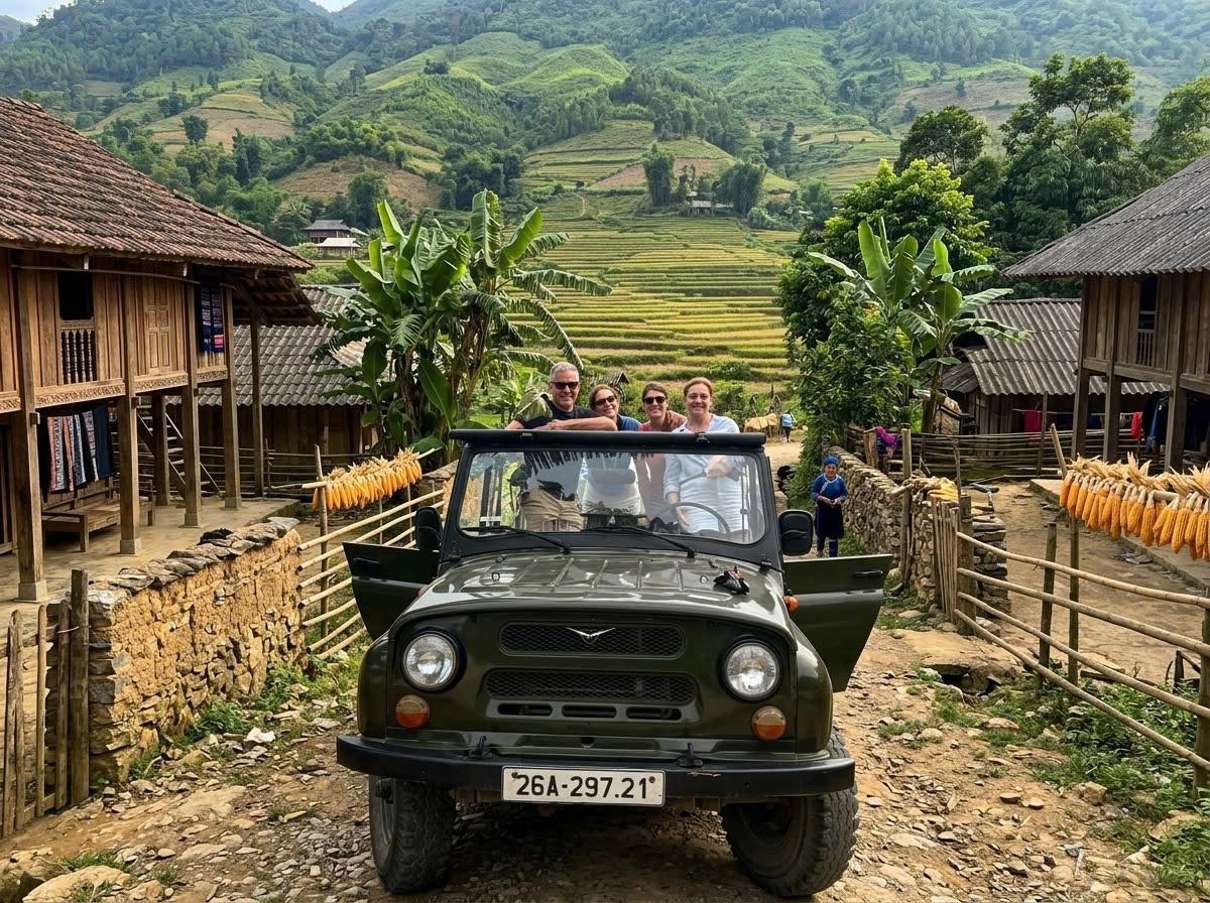
A mountain region of many peoples
The Sapa area is home to several of Vietnam's ethnic minority groups. The Kinh (ethnic Vietnamese) live mostly in the town, while the villages around it belong mainly to the Black H'mong, the Red Dao, the Giay, the Tay and the Xa Pho. Each group has its own language, dress, farming methods, houses and festivals. Knowing a little about them makes village visits far more meaningful.
The main groups
Black H'mong
The largest group around Sapa. Their name comes from their dark indigo clothing, made from hemp that is grown, spun, woven and dyed by hand. Women wear embroidered jackets, leg wraps and silver jewellery, and many are skilled at batik using beeswax. H'mong families farm rice on steep terraces and grow corn on higher slopes.
Where: Cat Cat, Lao Chai, Y Linh Ho, Sin Chai, and parts of Ta Phin.
Red Dao
Easily recognised by the red headscarves worn by women, often decorated with tassels and silver coins. Red Dao embroidery is dense and colourful, and many families are known for herbal medicine, including the famous herbal baths made from dozens of forest plants.
Where: Ta Phin, Giang Ta Chai, Nam Cang and other villages further out.
Giay
The Giay live in the lower valleys, often in houses on stone foundations. Women's clothing is brightly coloured, often in pink, green or blue, with a round collar. The Giay are rice farmers in the flatter parts of the valleys.
Where: Ta Van in Muong Hoa Valley.
Tay
The Tay are known for stilt houses and indigo clothing and live in lower areas such as Ban Ho. They are one of Vietnam's largest minority groups.
Xa Pho
A small group with its own language and traditions, living in a few villages around the district.
 New · Multi-Day
⏱️ 2 Days, 1 Night
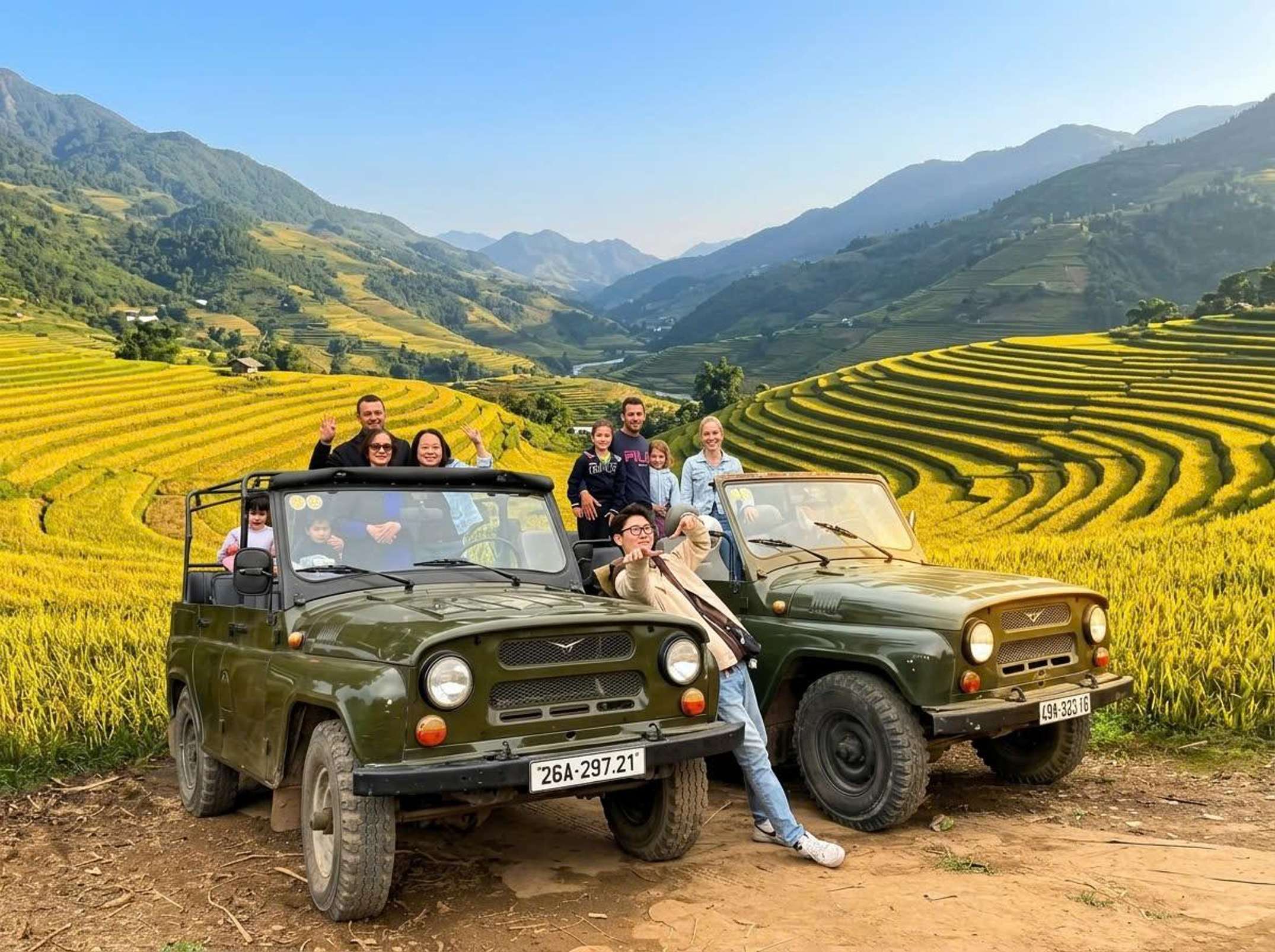
Sapa 2-Day Open-Air Jeep Adventure: Villages, Waterfalls & Cloud Hunting
Villages to consider
- Cat Cat (Black H'mong): 2 to 3 km from town, easy and developed. See our Cat Cat guide.
- Lao Chai and Y Linh Ho (Black H'mong) and Ta Van (Giay): in Muong Hoa Valley, linked by walking paths. See Muong Hoa Valley.
- Ta Phin (Red Dao and Black H'mong): about 12 km from town, known for herbal baths and embroidery.
- Ban Ho (Tay and others): further down the valley, quieter, for longer treks and homestays.
Daily life you may see
- Women embroidering while walking or sitting in doorways.
- Indigo vats in yards and dark cloth drying on lines.
- Water buffalo on the terraces, especially at ploughing time.
- Children walking to school in groups.
- Corn drying under the eaves in autumn.
Festivals and markets
Many festivals follow the lunar calendar, especially around the New Year. Weekly markets in the wider region, such as Bac Ha on Sundays, are where people from different groups meet to trade. See markets and crafts.
Visiting respectfully
- Ask before photographing anyone, and accept a no.
- Do not enter houses uninvited, and remove shoes if asked.
- Avoid giving money or sweets to children.
- Buy crafts from the makers and pay fairly.
- Dress modestly and keep your voice down in villages.
- A local guide can introduce you to families and explain customs.
More in responsible travel in Sapa.
Seeing villages with us
Our 2-day Jeep Adventure goes through Moana, Lao Chai, Y Linh Ho and Ta Van on day one, with a short walk along the village paths of Ta Van, guided by an English-speaking local guide in small groups of 2 to 12. For quieter places further from the main routes, read off the beaten path in Sapa.
Frequently asked questions
Which ethnic groups live around Sapa?
Mainly the Black H'mong, Red Dao, Giay, Tay and Xa Pho, with Kinh Vietnamese living mostly in town.
Where can I see Red Dao culture?
Ta Phin, about 12 km from town, is the best-known Red Dao village, famous for herbal baths and embroidery.
Can I take photos of villagers?
Always ask first and accept if someone says no, especially for children and elders.
Which village is easiest to visit from Sapa town?
Cat Cat, a Black H'mong village 2 to 3 km downhill from the Stone Church.
