
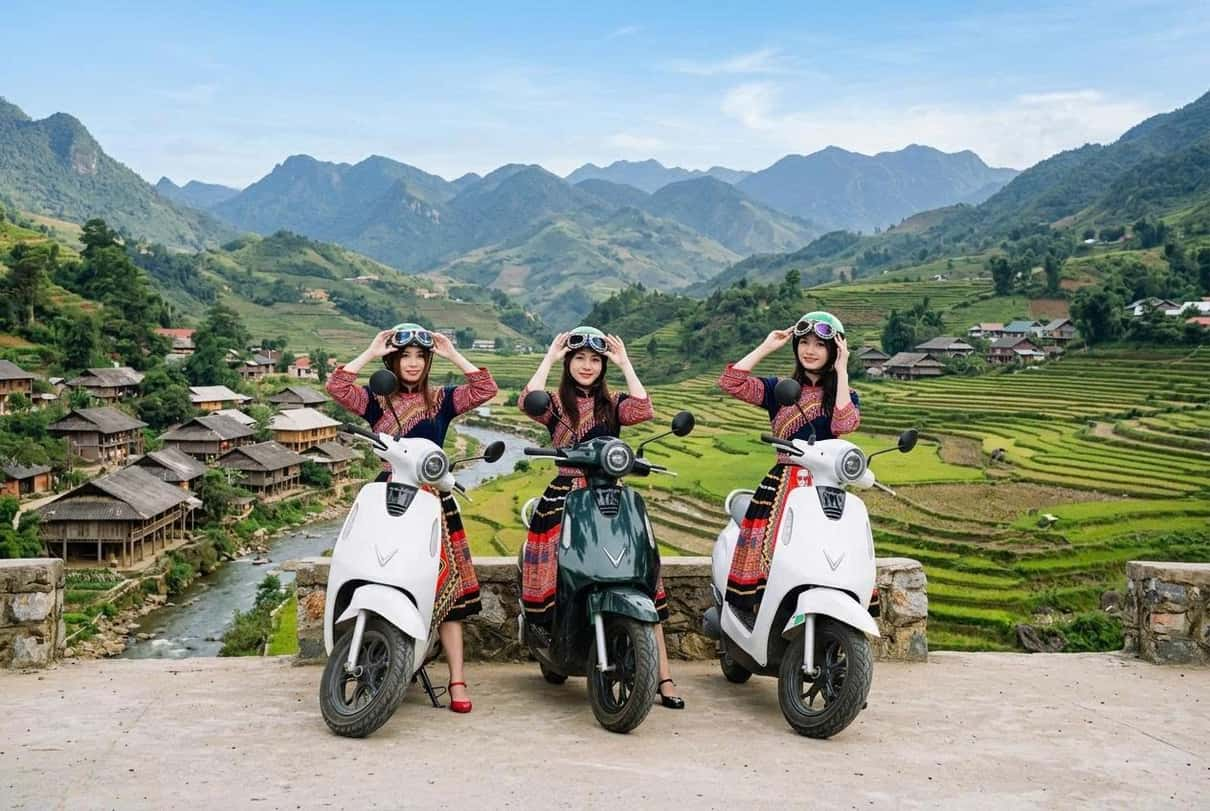
Why responsible travel matters here
Tourism has changed Sapa quickly. It brings income to many families, but also crowds, construction and pressure on village life and farmland. The villages you visit are homes and working farms, not attractions. Small choices by visitors add up, for better or worse.
In the villages
Greetings and behaviour
- A smile and a simple "xin chào" (hello) go a long way.
- Keep your voice down and avoid loud music.
- Dress modestly: no swimwear or very revealing clothes in villages.
- Do not enter houses, gardens or sacred places without an invitation.
- If invited inside, remove your shoes if your hosts do, and accept tea or a small snack graciously.
Sacred and private spaces
Some houses have family altars, and some villages have sacred trees or forest areas. Do not touch altars or offerings, and ask your guide before entering any special place.
 New · Multi-Day
⏱️ 2 Days, 1 Night
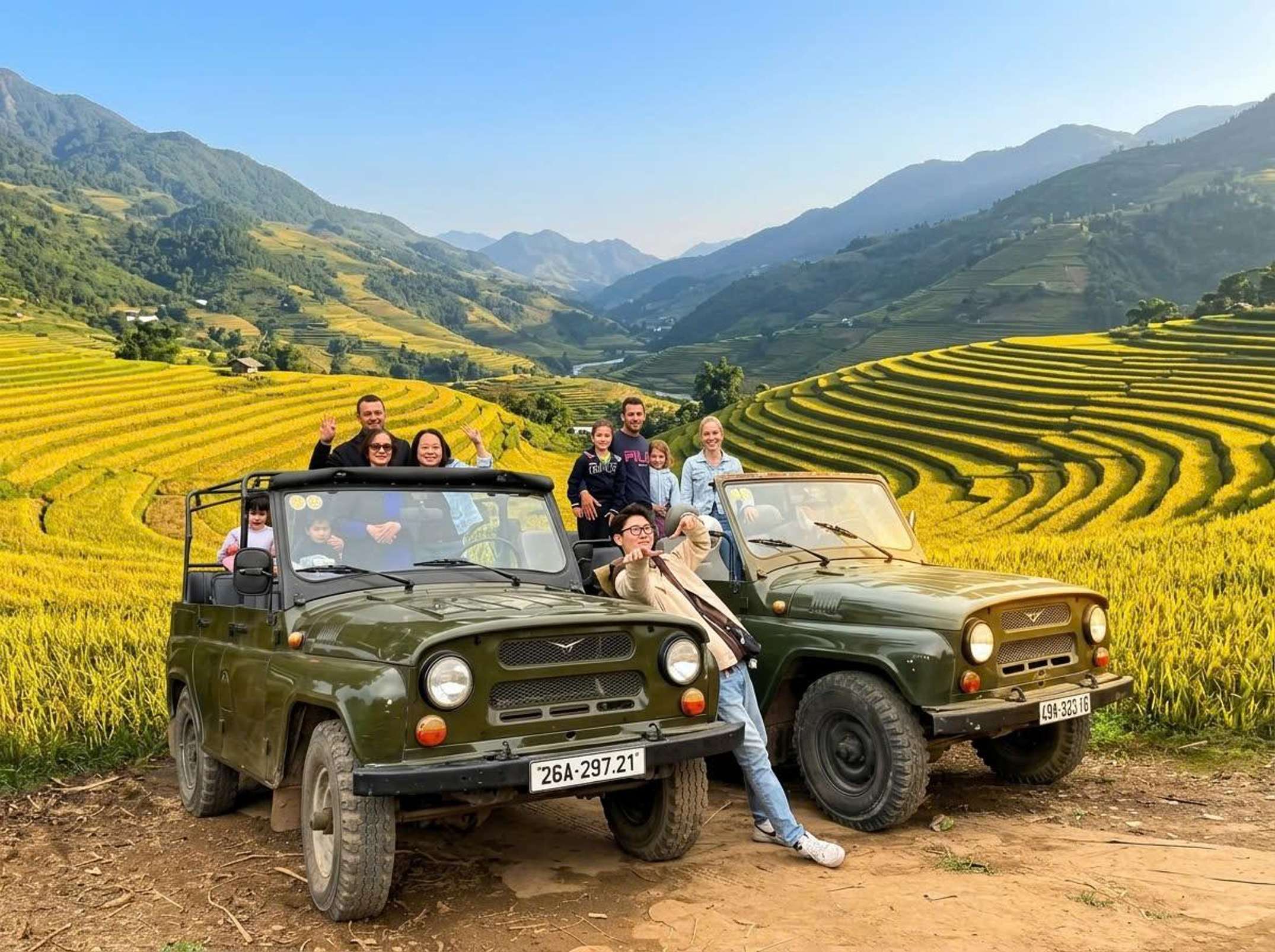
Sapa 2-Day Open-Air Jeep Adventure: Villages, Waterfalls & Cloud Hunting
Photography
- Always ask before photographing people, especially children and elders.
- Accept a no without arguing.
- Never photograph inside homes without permission.
- Do not pay children to pose; it encourages them to skip school.
- Be careful with drones near homes and people.
Children, begging and gifts
It is tempting to give sweets, pens or money to children. Please don't. It encourages begging, can keep children out of school and damages their teeth. If you want to help, support local businesses, buy crafts from adults, or give through established community or school programmes.
Buying fairly
- Buy crafts directly from the makers when you can.
- Bargain politely; a small saving for you can be a large loss for a seller.
- Spread your spending across several families and small businesses.
- Eat in family-run restaurants and stay in locally owned homestays.
See how to shop fairly in Sapa.
Protecting the landscape
- Terraces are farmland. Stay on paths and do not walk along terrace walls or through crops for photos.
- Litter: carry all rubbish back to town, including small wrappers and bottle caps.
- Plastic: bring a refillable bottle; many hotels and cafés offer refills.
- Wildlife and plants: do not buy wild animal products or rare forest plants such as orchids.
- Water: do not wash with soap in streams.
Choosing operators and guides
- Choose licensed operators with clear inclusions and fair employment.
- Prefer small groups, which put less pressure on villages.
- Ask whether guides and drivers are local; local guides know which families welcome visitors.
Eco Trip Asia is licensed under 01-3022/2025/CDLQGVN-GP LHQT. Our 2-day tour caps groups at 2 to 12 guests, riding 5 to 6 per Jeep, with English-speaking local guides.
Being a patient guest
Mountain weather, roads and schedules change. Delays, fog and rain are part of life here. A relaxed, respectful attitude makes the trip better for you and for the people you meet.
Quick checklist
- Ask before photos
- No gifts or money to children
- Buy from makers, bargain gently
- Stay on paths, carry rubbish out
- Small groups and licensed, local-led operators
For background on the communities, read Sapa's ethnic villages and the Cat Cat guide.
Frequently asked questions
Should I give gifts to children in Sapa villages?
No. It encourages begging and can keep children out of school. Support local businesses or community programmes instead.
Can I walk on the rice terraces?
Stay on paths. Terraces are working farmland, and walking on walls or crops causes damage.
How can I make sure my money helps local people?
Buy crafts from makers, eat in family-run places, stay in local homestays and use local guides.
Is it rude to refuse sellers?
No. A friendly "no, thank you" is fine. Buy only what you genuinely want.
