
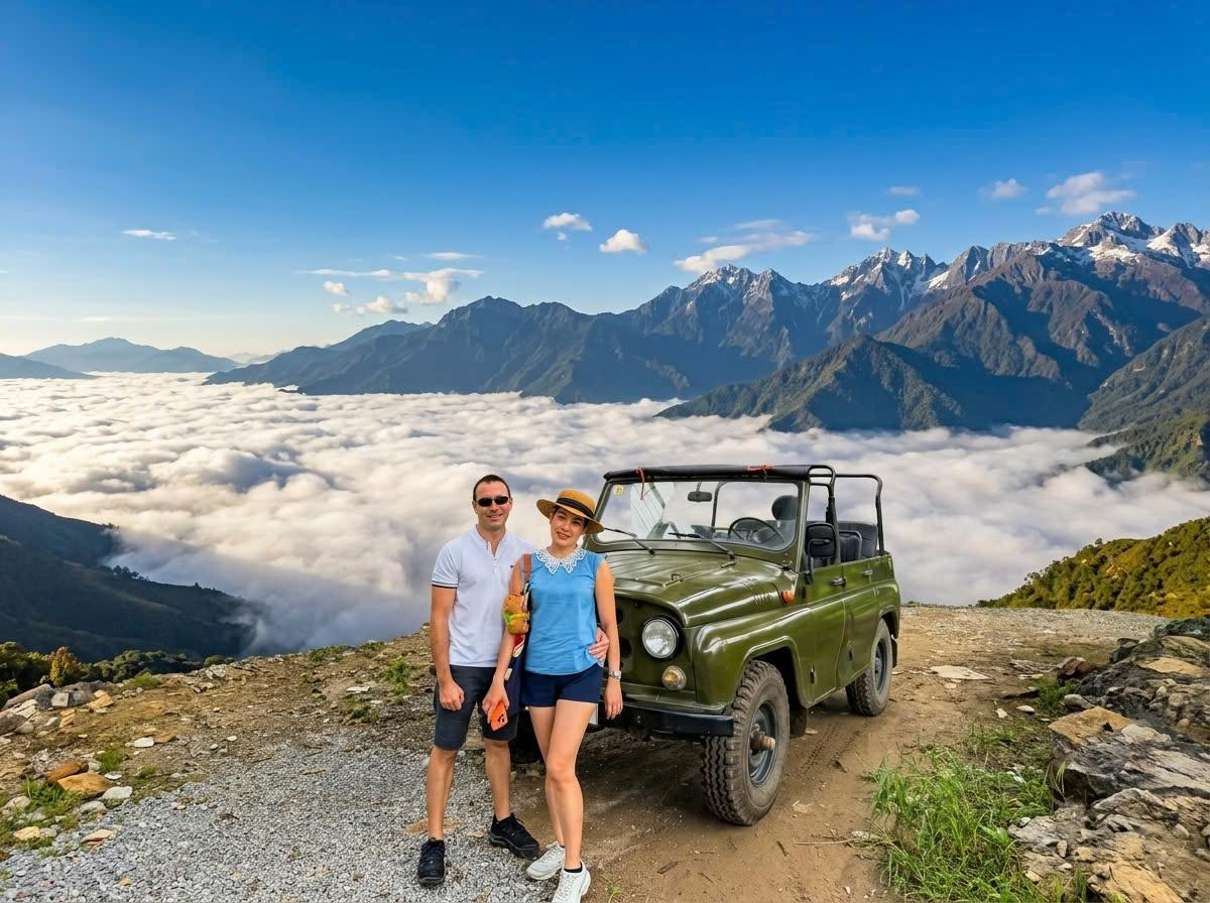
Why Sapa is a photographer's dream
Layered mountains, sculpted rice terraces, villages in traditional dress and constantly moving cloud: Sapa gives you a different picture every hour. The weather is unpredictable, which is frustrating and rewarding at once. Good Sapa photography is mostly about timing, flexibility and knowing where to stand.
Cloud hunting: the sea of clouds
What it is
A sea of clouds (biển mây) forms when low cloud fills the valleys and the peaks stand clear above it, often after a cool night with high humidity. From a high viewpoint it looks like an ocean with mountain islands.
When your chances are best
- Season: cooler months, roughly October to April, especially after rain.
- Time: sunrise to mid-morning, before the sun burns it off.
- Signs: a clear, still night after a rainy day; a cool, humid morning.
It is never guaranteed. Check forecasts and local reports the evening before, and keep a spare morning.
Where to go
- O Quy Ho Pass and the Tram Ton area: high above the valleys; one of the most reliable spots. See our pass guide.
- Fansipan summit: above the clouds when the cable car rises through them.
- Moana and viewpoints around town: good for cloud drifting through the valley.
- Ham Rong Mountain: a hill park in town with views over Sapa.
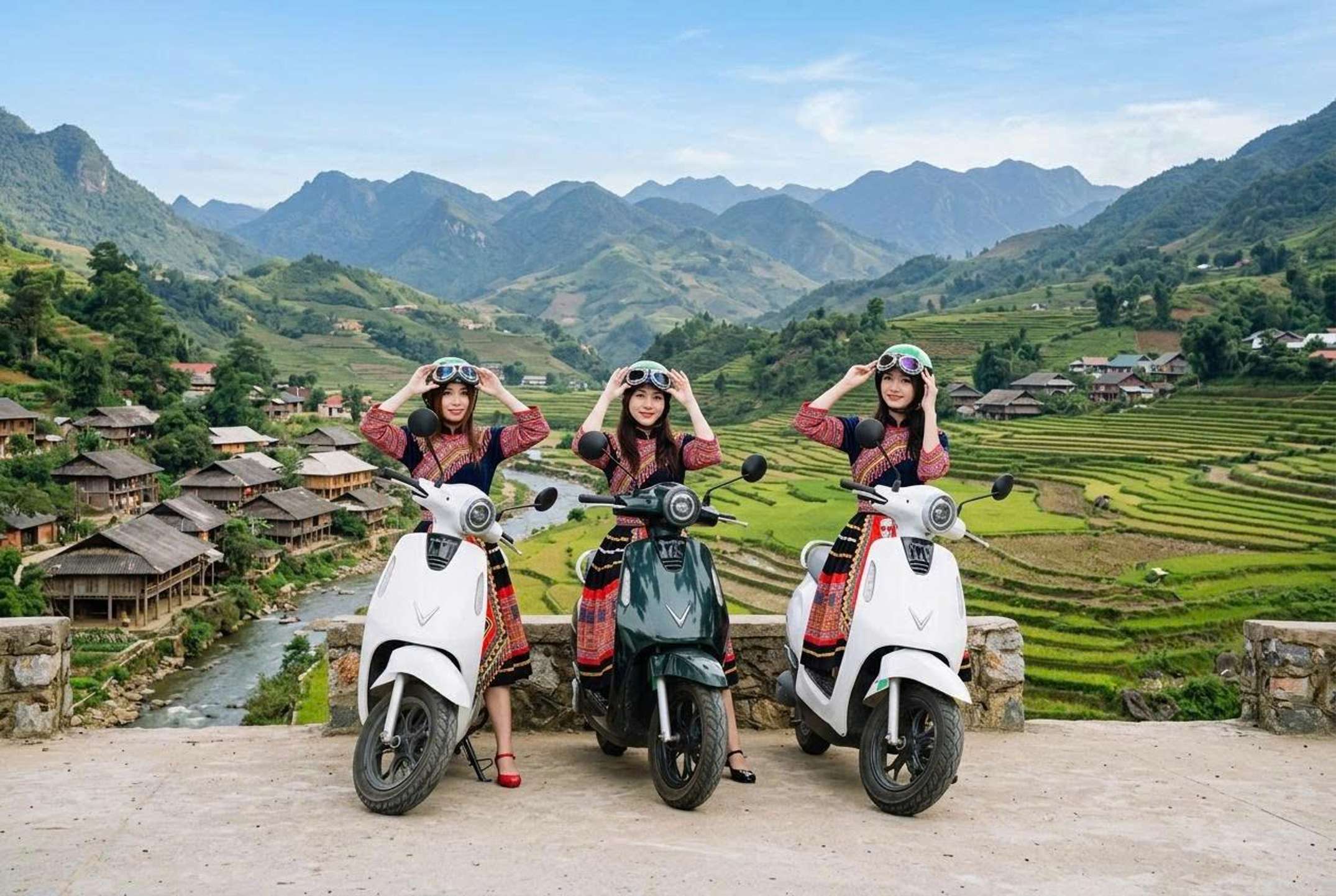 Instagram Worthy
⏱️ 4–4.5 Hours
Sapa Instagram Motorbike Tour with Female Riders
Rice terraces
Seasons
- May: flooded terraces reflecting the sky, best in soft light or after rain.
- June to August: vivid green, great on bright days between showers.
- September: golden rice; the classic Sapa image.
Spots
- Muong Hoa Valley above Lao Chai and Ta Van: sweeping curves of terraces. See Muong Hoa Valley.
- Y Linh Ho: open views with fewer people.
- Roads into the valley: pull-outs with long views (stop safely, never on bends).
Technique tips
- Shoot from a high angle to show the curves.
- Side light in the morning and late afternoon brings out the steps of the terraces.
- Include a person, a house or a buffalo for scale.
Sunrise and sunset
- Sunrise: viewpoints on the east-facing slopes and the pass at first light, if you are prepared for an early, cold start.
- Sunset: the Lai Chau side of O Quy Ho Pass faces west and is famous for evening light; Moana and hillside cafés also work well.
People and culture
- Always ask before photographing someone. A smile and a gesture to your camera is enough; accept a no.
- Buying something or chatting first makes portraits more natural.
- Never photograph inside homes without permission.
- Do not pay children to pose.
Drones
Drones need care. Do not fly near homes, people or the cable car, avoid restricted areas, and follow Vietnamese rules. Mountain winds near the passes can be strong.
Gear checklist
- Rain cover or dry bag for the camera
- Lens cloth; mist and spray are constant
- Spare batteries; cold drains them fast
- Light tripod for sunrise and sunset
- Polarising filter to cut haze and deepen sky and green
- Warm gloves that let you use the camera
Photo-focused tour
Our Instagram motorbike tour is built around photo stops: Cat Cat, Moana, the Muong Hoa Valley viewpoint, Lao Chai and Ta Van, and coffee by the stream, riding as a passenger with local female riders in four to four and a half hours from $50 per person. For the pass and sunsets, the Jeep Adventure covers Silver Waterfall, O Quy Ho Pass, the Lonely Tree and the glass bridge. Plan your dates with the seasons guide.
Frequently asked questions
When is the best time to see the sea of clouds in Sapa?
Cooler months, roughly October to April, at sunrise and early morning, especially after rain. It is never guaranteed.
Where is the best cloud hunting spot near Sapa?
High points on O Quy Ho Pass around Tram Ton, the Fansipan summit, and viewpoints such as Moana.
When are the terraces most photogenic?
May for water reflections and September for golden rice.
Can I photograph local people?
Ask first, accept a no, and never photograph inside homes without permission.
