
The short version
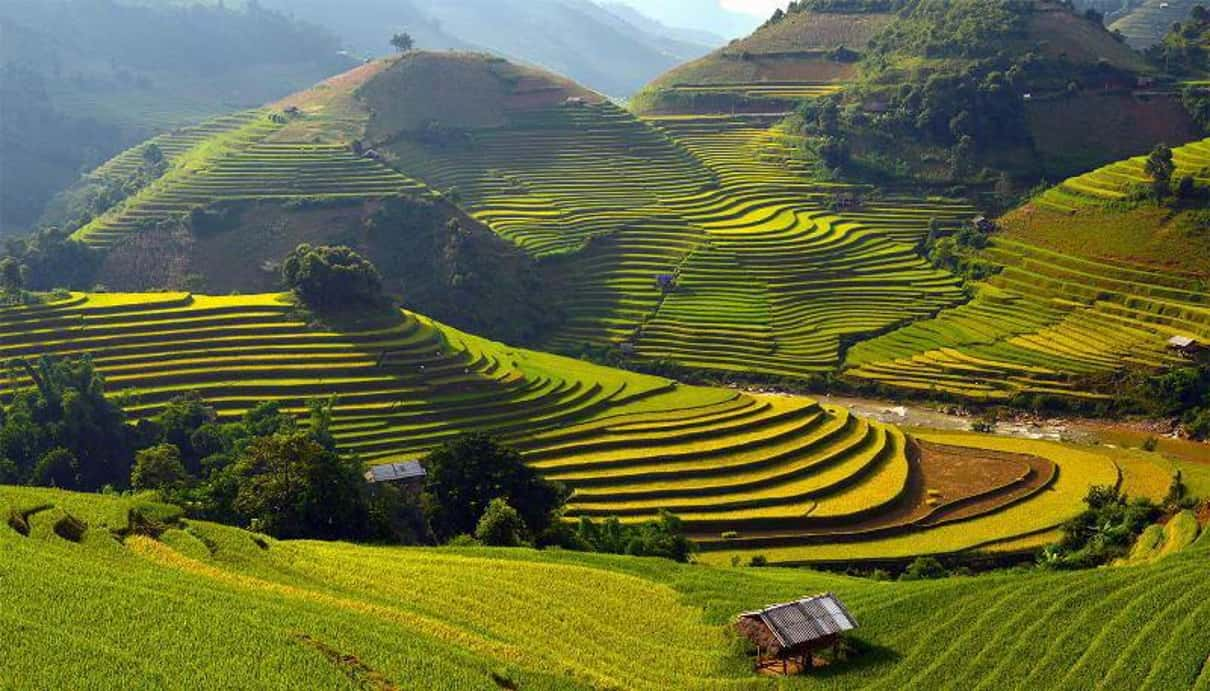
- Golden rice terraces: September (sometimes from late August to early October, depending on altitude and the year).
- Mirror-like water terraces: May, with planting from late April to June.
- Clear views and comfortable walking: October to November and March to April.
- Cold, quiet and atmospheric: December to February, with a small chance of frost or snow on the heights.
- Lush green but wet: June to August.
Sapa's climate is mountain-temperate. The average annual temperature is around 15°C, much cooler than Hanoi. Weather changes within hours, so plan around seasons but stay flexible day to day.
Month by month
January
The coldest month. Days are often 5 to 15°C and nights can fall to around 0°C. Frost and occasionally snow appear on the highest ground. Fog is common. Fields are bare. It is quiet, except around Lunar New Year.
February
Still cold, with peach and plum blossom on the hillsides. Lunar New Year (Tết) usually falls in late January or February and brings crowds of domestic visitors; book early or avoid the holiday week.
March
Warming up, with blossom and fresh green. Mornings can be foggy, but clear days give good views. A good time for walking.
April
Mild and pleasant. Farmers prepare the terraces and start to flood them later in the month. Rhododendrons bloom at high altitude.
May
The water season. Flooded terraces reflect the sky, and planting begins. Showers become more frequent, but this is one of the most photogenic months.
June
Young rice turns the valley green. Rain increases, and some days are humid and misty. Fewer foreign visitors.
July and August
The heart of the rainy season. The valley is at its greenest and waterfalls are at full power. Expect heavy showers, mist and slippery paths, and occasional landslides on mountain roads after storms. From late August, the first terraces begin to turn yellow.
September
The classic golden season. Ripe rice covers the terraces before harvest, and skies are often clearer than in summer. It is the busiest time of year for photographers; book rooms and tours early, especially at weekends and around Vietnam's National Day holiday on 2 September.
October
The harvest finishes, and the weather is often dry, cool and clear. One of the best months for views, trekking and sea-of-clouds mornings.
November
Cool, dry and often clear, with fewer crowds. Nights get cold. Good for walking and photography, although the terraces are now stubble.
December
Cold and often foggy. Clear spells can be crisp and beautiful. Bring proper winter clothes.
 Best Seller
⏱️ 4–4.5 Hours
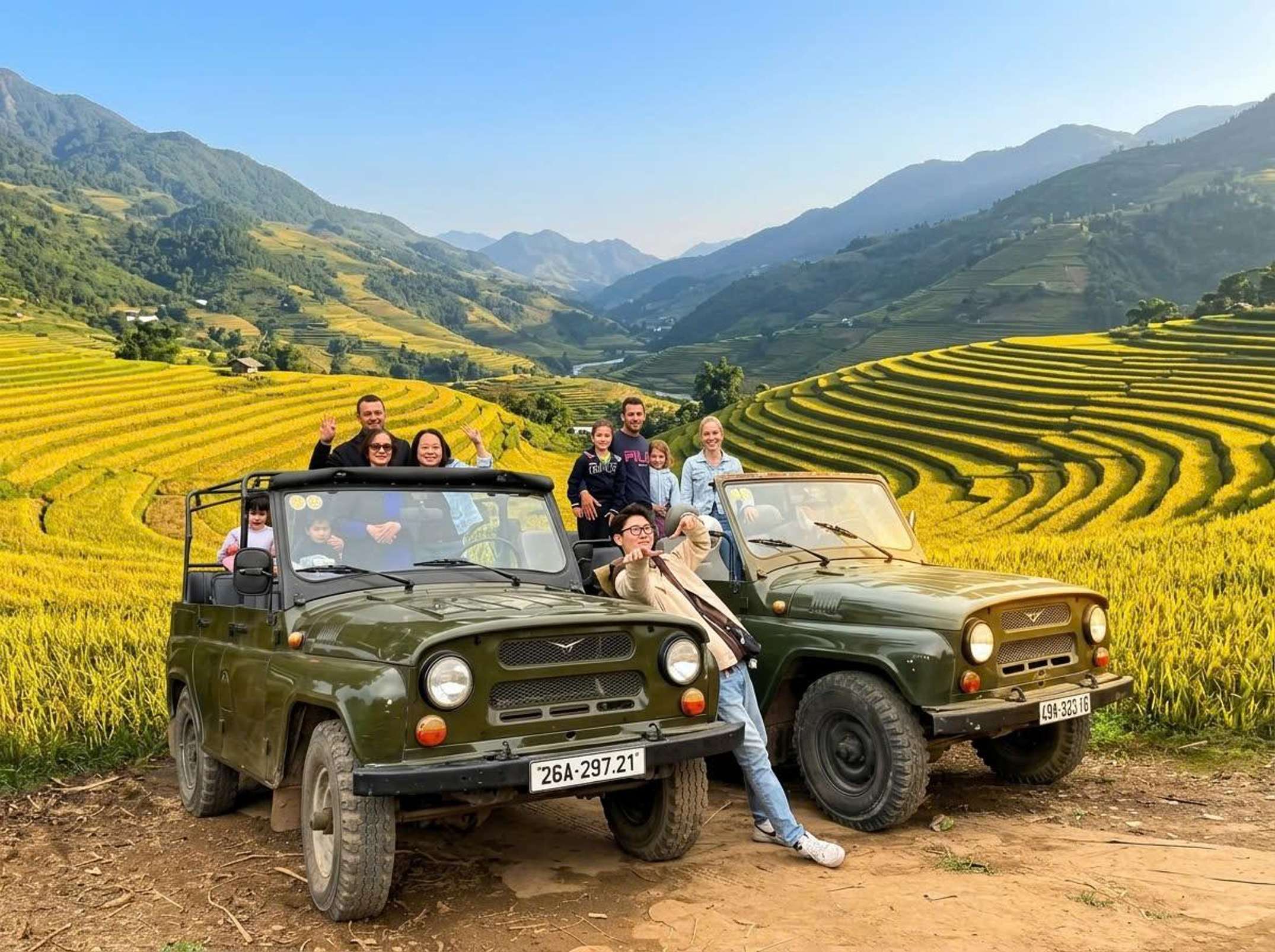
Sapa Open-Air Jeep Tour: Lao Chai, Ta Van Villages & Moana
Best time for each goal
- Photography of terraces: May (water) and September (gold).
- Trekking and Fansipan: October to November and March to April, when trails are drier.
- Sea of clouds: cooler months, especially after rain, in the early morning. See cloud hunting tips.
- Avoiding crowds: weekdays outside holidays; June, November and March are calm.
- Budget: weekdays in the shoulder months give the best room prices.
Holidays to plan around
- Lunar New Year (Tết): late January or February.
- Reunification Day and Labour Day: 30 April and 1 May, a very busy long weekend.
- National Day: 2 September, which falls in the golden season.
- Weekends year-round: domestic visitors fill hotels and viewpoints from Friday evening.
Weather tips for any month
- Check the forecast the night before and in the morning; mountain fog lifts and returns fast.
- Keep one flexible day in your plan for the view you care most about.
- Bring layers and rain gear in every season. See what to wear in Sapa.
- If Fansipan is clouded, switch your plans. See Fansipan options.
Touring in different seasons
Our open-air Jeeps have a soft roof that goes on when it rains, and the route may change slightly for weather or road conditions. Mornings are often clearer in the valley, while afternoons can bring softer light at Moana. In winter, we recommend warm, windproof layers for any open-air ride.
Frequently asked questions
When are the Sapa rice terraces golden?
Mainly in September, sometimes from late August into early October depending on altitude and the year.
Does it snow in Sapa?
Rarely. In the coldest weeks of December to February, frost and occasional snow can appear on the highest ground.
Is the rainy season a bad time to visit?
Not necessarily. June to August is green and waterfalls are strong, but expect showers, mist and slippery paths.
What is the quietest time to visit?
Weekdays outside holidays, especially in June, November and March.
