
The golden rule: layers
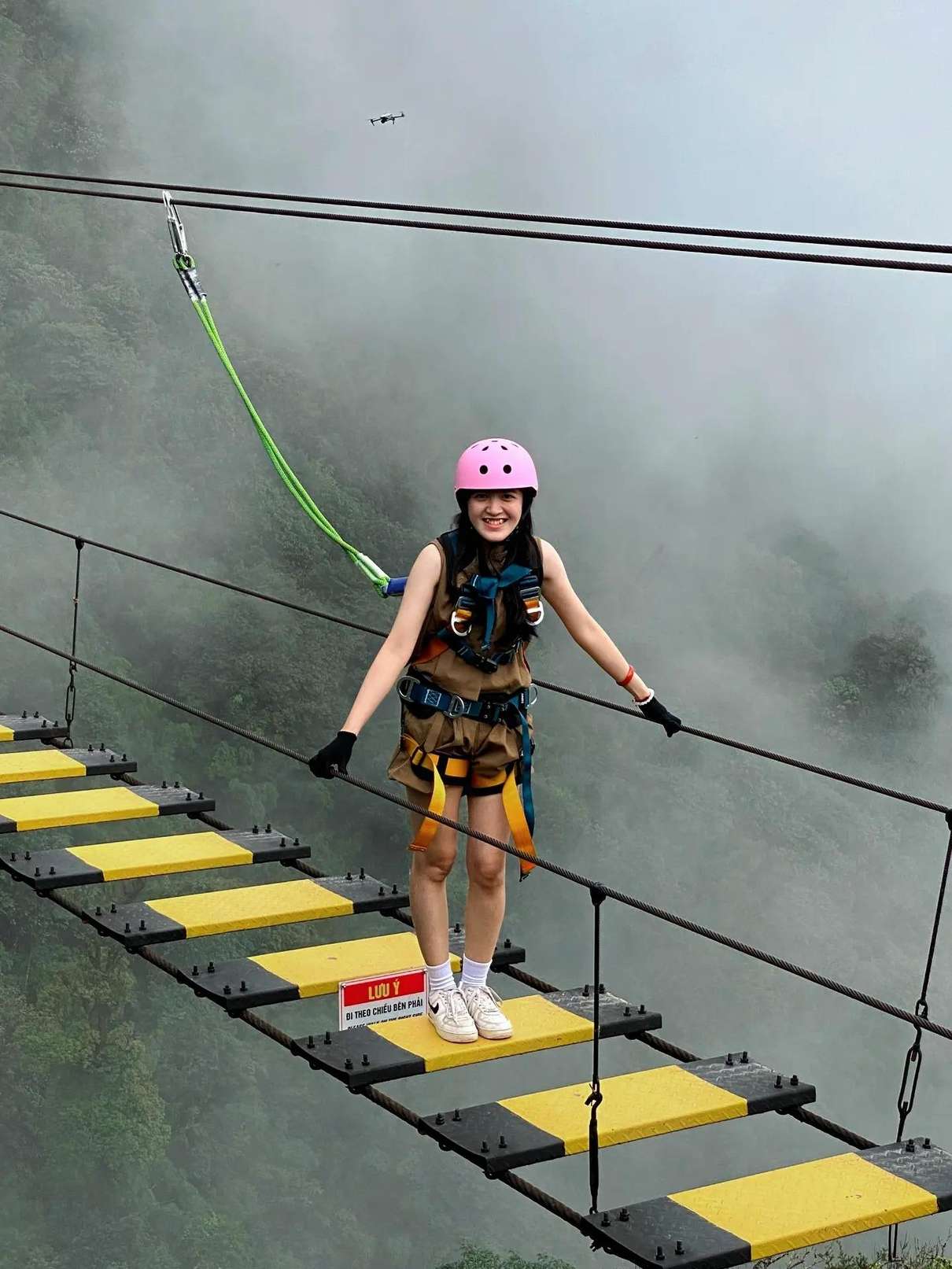
Sapa sits at around 1,500 to 1,600 m, and it is often 8 to 10°C cooler than Hanoi. On a single day you can have sun, fog and rain, with a big drop in temperature at night and on the high passes. Instead of one heavy coat, pack layers you can add and remove.
The layering system
1. Base layer: a breathable T-shirt or long-sleeve top; quick-dry or merino rather than cotton if you will walk a lot. 2. Mid layer: a fleece or light insulated jacket. 3. Outer layer: a waterproof, windproof jacket with a hood.
In winter, add thermal underwear and a warm down or padded jacket.
 Top Recommended
⏱️ 8 Hours
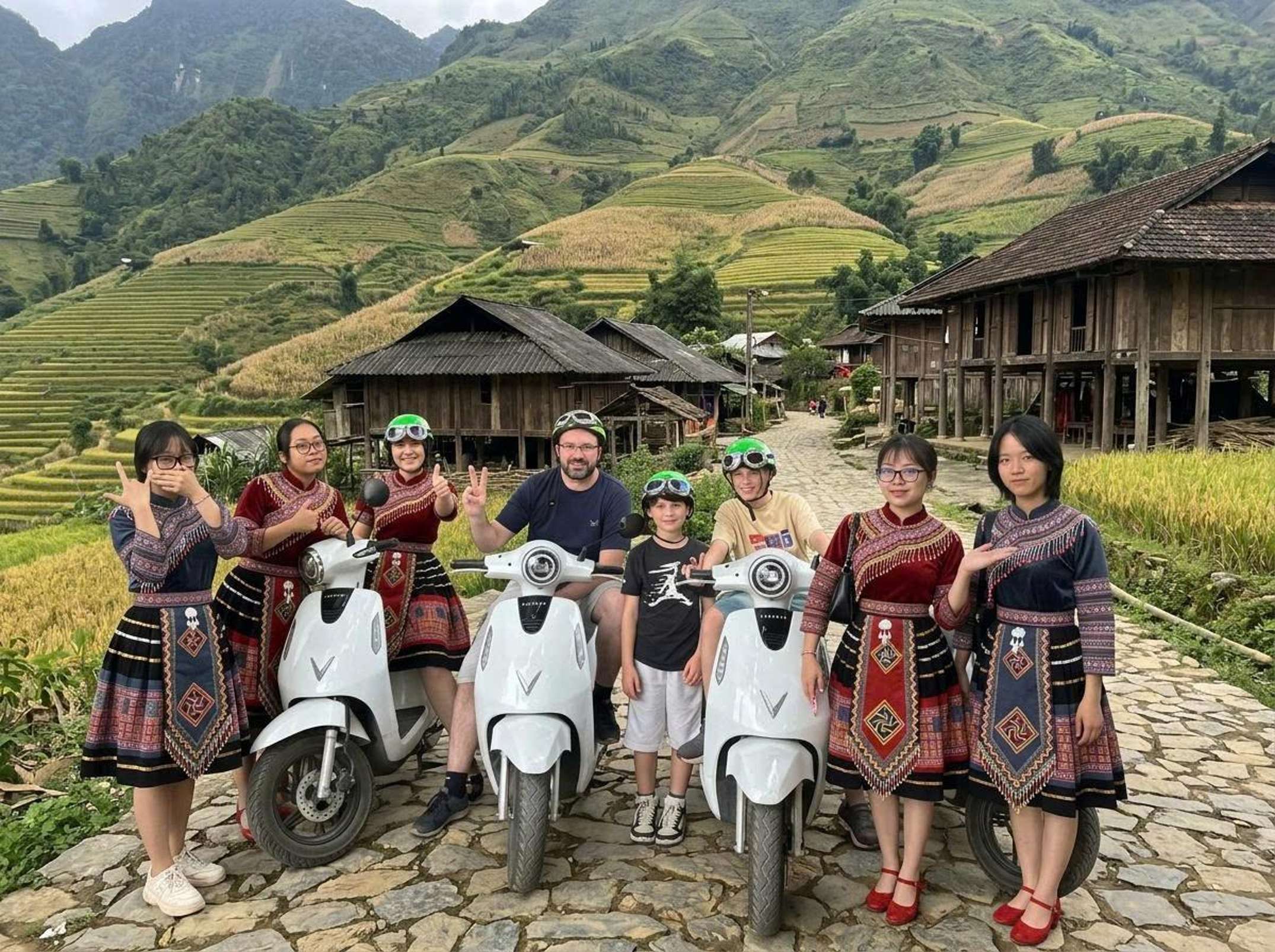
Sapa Motorbike Tour Fullday with Female Riders
Essentials for every season
- Shoes with real grip: trail shoes or light hiking boots. Paths, steps and village lanes are steep and slippery.
- Rain jacket or poncho: even in the dry season.
- Long trousers: quick-dry trekking trousers are ideal; jeans are heavy and cold when wet.
- Warm layer: fleece or light jacket.
- Hat and sunglasses: the sun is strong at altitude on clear days.
- Sun cream and lip balm.
- Small daypack with a waterproof cover or a plastic bag inside.
- Reusable water bottle.
- Spare socks: wet feet are the fastest way to feel cold.
By season
Spring (March to May)
Mild days of roughly 15 to 25°C and cool nights. Bring a fleece and a light rain jacket. Showers increase in May.
Summer (June to August)
Warm days of roughly 20 to 28°C, frequent rain and humidity. Pack quick-dry clothes, a good rain jacket and sandals with straps for evenings. Shoes take a long time to dry; bring a second pair. Insect repellent helps on village paths.
Autumn (September to November)
The most comfortable season, with days of roughly 15 to 25°C and cold nights by November. A fleece and light jacket cover most days.
Winter (December to February)
Cold and damp, with days often 5 to 15°C and nights near 0°C. Pack thermal base layers, a warm down or padded jacket, hat, gloves and scarf, warm socks and waterproof shoes. Many buildings are not well heated; a warm layer for indoors helps too.
For specific activities
Open-air Jeep rides
The wind makes it feel colder. Add a windproof layer, a hat that will not blow off (or a buff) and sunglasses. A soft roof goes on in the rain.
Motorbike rides
A full day on the back of a motorbike is colder than it looks. Wear long trousers, closed shoes and a warm, windproof layer; gloves in the cooler months. Helmets are provided on our tours.
Trekking
Proper hiking shoes, quick-dry trousers, a rain shell, trekking poles if you have weak knees, and leech socks in the rainy season on forest trails.
Fansipan and O Quy Ho Pass
At around 2,000 to 3,143 m it is several degrees colder than town, often windy and damp. Add one more layer than you think you need, plus gloves in winter. See Fansipan options.
What not to bring
- High heels or smooth-soled shoes
- White clothes you mind getting muddy
- Only cotton clothing for a rainy trip
- Valuable jewellery
Forgot something?
Sapa town has many outdoor shops selling jackets, fleeces, rain gear and shoes at a range of prices, including cheap ponchos and plastic shoe covers. Quality varies; check zips and seams.
Quick checklist
- Rain jacket, fleece, warm layer
- Trail shoes and spare socks
- Long trousers and quick-dry tops
- Hat, sunglasses, sun cream
- Daypack, water bottle, small cash
- Winter extras: thermals, down jacket, gloves, hat
Plan the dates with our seasons guide, and if you are choosing between walking and riding, read Jeep vs trekking.
Frequently asked questions
What should I wear in Sapa?
Layers: a breathable base, a fleece and a waterproof, windproof jacket, plus long trousers and shoes with grip.
How cold is Sapa in winter?
Days are often 5 to 15°C and nights can fall to around 0°C from December to February.
Do I need hiking boots for Sapa?
Trail shoes or light boots with good grip are best for village paths, steps and treks.
What should I wear on a motorbike tour?
Long trousers, closed shoes and a warm, windproof layer. Helmets are provided.
